
A 13-Week Ecommerce Cash Flow Forecast You Can Update Weekly
Build a weekly cash view, then move one payout by a week. See how a growing store can run short before the sales report gives any warning.
Anichur Rahaman4 hours ago4min

As an ecommerce team grows across a warehouse, outlets and customer care, HR software connects employee records, attendance, leave and approvals in one people workflow.
Author
Anichur Rahaman
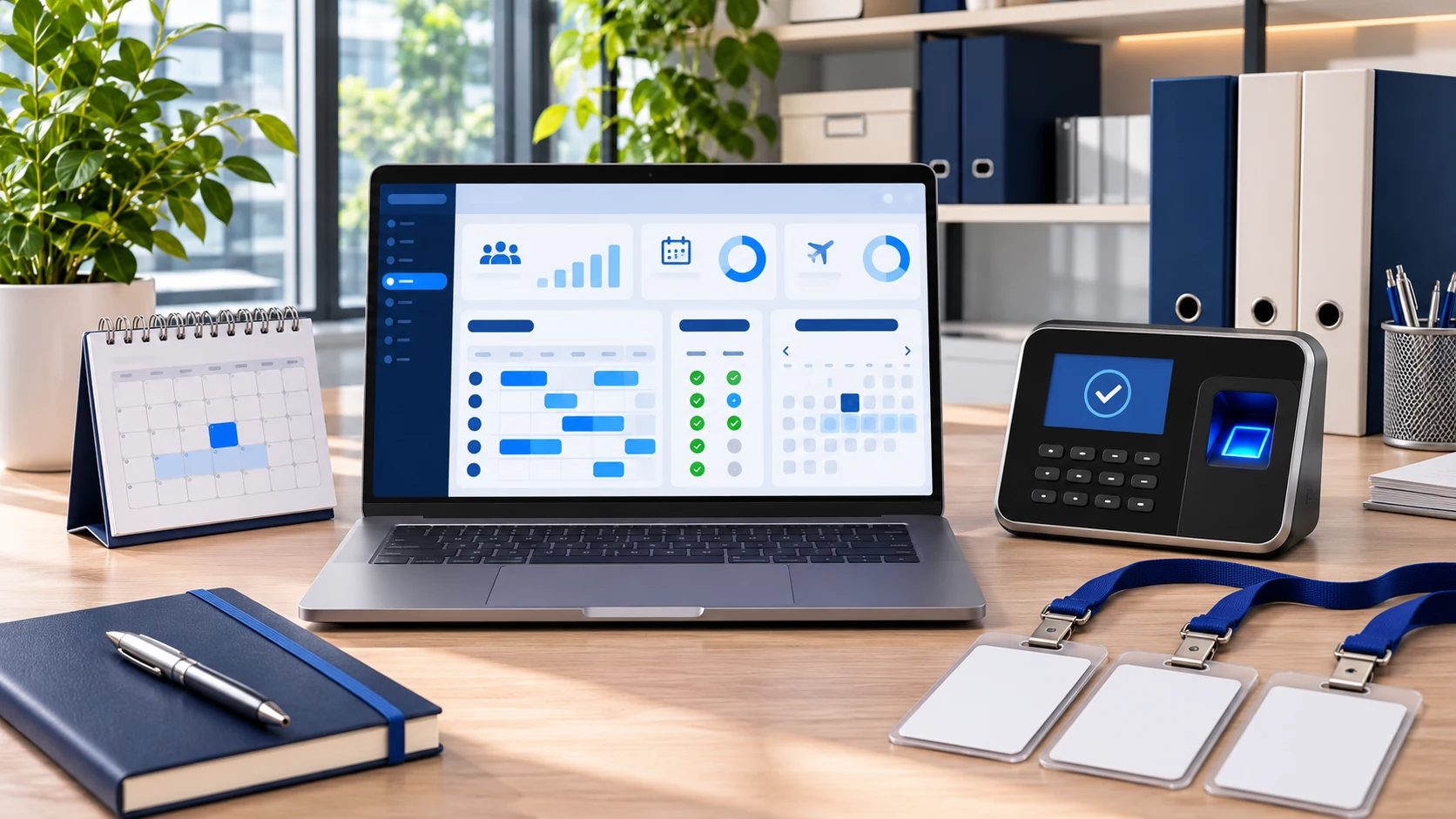
Quick answer: HR management software helps an ecommerce business keep employee records, hiring, attendance, leave, reviews and everyday people requests in one controlled workflow. As a shop grows from a small team to warehouse, outlet and customer-care shifts, HRM makes it easier to know who is responsible, who is available and what needs approval.
In this guide: follow an online store as it grows from a handful of people to a team across packing, delivery coordination and customer support. See how employee management software connects hiring, attendance, leave, reviews and secure employee records without turning people into spreadsheet rows.
At first, a founder can remember who packs orders, who answers messages and who covers the shop. Then the business adds another outlet, a warehouse shift and a customer-care team. A staff member works late during a sale; someone else asks for leave; a new hire needs an account, a manager and an onboarding plan. The details begin to live in chat messages, paper forms and separate sheets.
The problem is not that people are difficult to manage. It is that the same fact is copied in several places, approvals get lost and a manager cannot see the whole team picture. Good HR software gives each people process a clear owner and a reliable record, while keeping sensitive information private.
Store Console HRM brings employee profiles together with employment history, branch, department, team, designation, manager and work schedule. Hiring can move through candidates, interviews, offers and onboarding; accepted offers can become employee records with an onboarding checklist. When someone transfers, is promoted, leaves or later returns, HR can keep the employment history instead of rebuilding it from old files.
For an ecommerce operation, this helps answer practical questions: who is assigned to the warehouse, which team handles order questions, who manages a particular outlet, and who should receive an operational notice? HR can also track company assets issued to employees, approved expenses and internal help requests in the same people workflow.
A single office-hours template rarely fits a business that packs orders before opening, covers evening customer support or works through a sale weekend. HRM supports work schedules and overnight shifts, and attendance can be entered by an administrator or captured from supported biometric and device punches. Employees can request a correction when a punch is missing or wrong; a manager or HR reviews it before the record changes.
At the end of a pay period, HR can finalize attendance so the approved summary is ready for Payroll. That step matters: an unreviewed punch should not quietly become an overtime payment. Managers also need the right scope. Store Console can limit managers to their reporting lines while HR roles with the required permission see broader records.
When a team member requests a day off, the manager needs to see the dates and team coverage, while the employee needs to know whether the request is pending, approved or declined. HRM supports configured leave types and policies, half-day requests, balances and approval flows that can involve a manager and HR. Approved leave updates the leave ledger, creating a clearer record than a message buried in a chat.
This is useful during busy ecommerce periods: teams can plan coverage before a promotion, holiday or delivery peak instead of discovering a gap on the day. Leave rules should still match the employer’s policy and local requirements; software records and applies the configured process.
People management continues after the first day. HRM supports performance cycles with employee self-review and manager feedback, goals and review history. If the optional Intelligence module is active, an AI assistant can draft review text for a human to check. HR can also manage benefits, employee expenses, asset returns, internal helpdesk requests and a documented exit process.
Salary has a single source of truth: when Payroll is installed, salary assignments live there and HRM displays the connected information. Approved leave, finalized attendance and employee lifecycle events can feed the relevant downstream workflow. When an employee leaves, HR closes the employment record and Payroll stops including that person in later runs.
HR records can include contact details, documents, pay information and emergency contacts. Store Console applies permission and employee-scope rules so managers see the people they are allowed to manage, employees can access their own self-service records, and sensitive fields are limited to authorized HR roles and the employee themself. Private employee documents use permission-checked access rather than public file links.
That boundary is part of good employee management: a useful HR platform should help a team coordinate work without exposing personal information to everyone in the back office.
HR management software works best when a business agrees on the process first: who enters a record, who approves it, and which team may see it. Store Console HRM gives ecommerce teams a connected place for employee records, attendance, leave and the everyday work around people, with Payroll handling salary calculations as a separate connected module. Explore the HRM guide.
About the Author
Anichur Rahaman
Continue Reading