Ecommerce Contribution Margin: What Each Order Actually Leaves
A 100 sale can leave only 20 before fixed costs. Follow the order-level calculation, find missing costs and decide which sales are worth growing.
Anichur Rahaman7 hours ago4min

Compare clearance, bundling and liquidation for 120 slow units. Separate cash recovery from profit and choose an action for each stock problem.
Author
Anichur Rahaman
Part 4 of 5
Selling More, Keeping Less?Illustrative business and amounts, not customer results or market benchmarks. All amounts use one example currency; replace the assumptions with your own records.
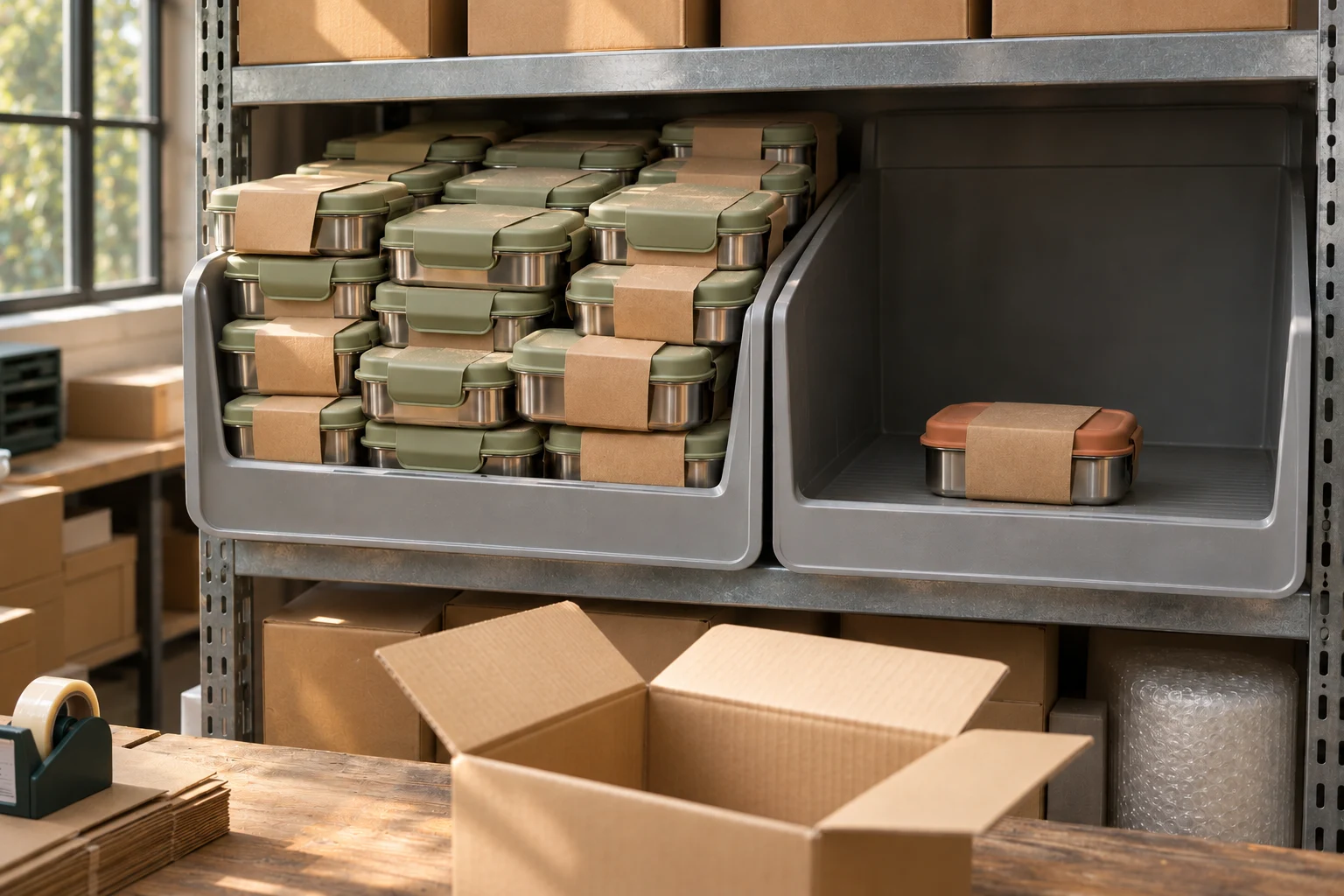
Daniel cannot reorder a fast-selling lunch box because too much cash went into an unpopular colour. The warehouse is full, but the supplier still needs payment. Inventory value explains what is held; it does not mean that amount is available in the bank.
Dead stock usually means goods with little realistic prospect of selling within the business's normal window. Do not declare every 90-day-old item dead. Seasonal lines, long-lead spares and newly launched products need different review rules. In sneaker resale, the same phrase can mean unworn condition; the inventory problem here is slow or unsellable stock.
Review quantity, carrying cost, last receipt, last sale, current demand, physical condition and location. Check whether a stockout elsewhere, a wrong variant description or a hidden product page explains the slow movement. An item can be in the wrong warehouse rather than unwanted.
Use age bands to organise work, not to dictate a disposal policy. Give every flagged line an owner, reason, next action and review date. Remove damaged, recalled or expired goods from sellable availability; a markdown does not make an unsafe item suitable for sale.
| Selling price | Variable cost per order | Units | Net cash recovered |
|---|---|---|---|
| 22 | 4 | 120 | 2,160 |
| 26 | 5 | 120 | 2,520 |
| 17 | 1 | 120 | 1,920 |
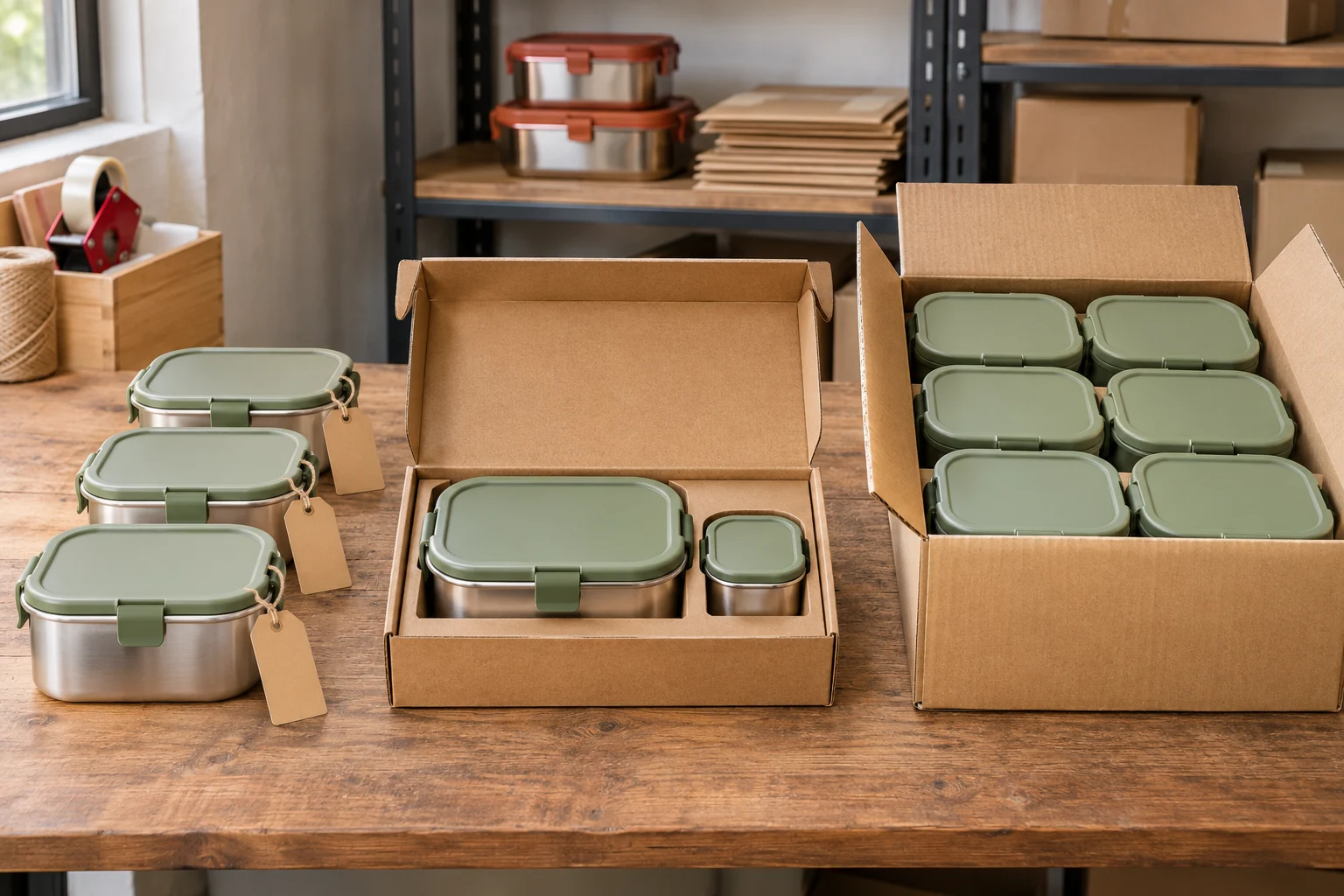
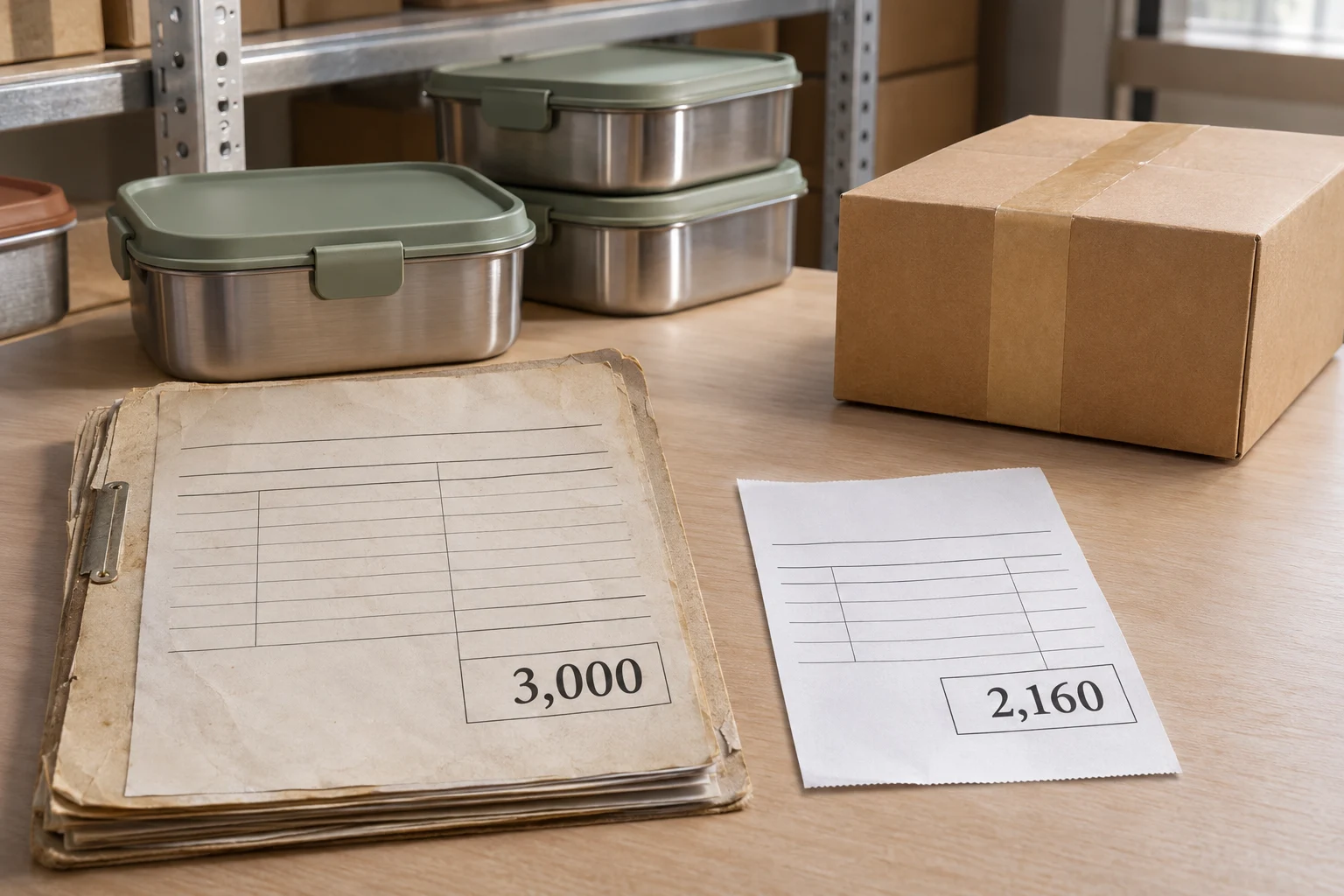
Suppose 120 units carry a historical cost of 25 each: 3,000 in total. Clearance at 22 with future selling and fulfilment costs of 4 per unit recovers 2,160 cash. Compared with the stated carrying amount, that is an 840 shortfall before other relevant costs. It is recovery, not 2,160 of profit.
A bundle scenario with 26 incremental revenue and 5 incremental cost per slow unit recovers 2,520 if all 120 units sell. Liquidation at 17 with a cost of 1 recovers 1,920. Compare like quantities and timing. These are assumptions; a higher modelled recovery is useless if the channel cannot sell the quantity or pays too late.
The original purchase cannot be undone by waiting. For the next action, compare future net cash, time, storage and brand impact. For the accounts, retain the appropriate inventory cost and record any required write-down or disposal under the entity's policy. Do not erase cost to make a clearance look profitable.
For bundles, count the additional revenue caused by adding the slow item, not the whole bundle price. Allow for cannibalised full-price sales, a higher shipping band and a healthy companion product given away too cheaply. A transfer also needs transport cost and evidence of demand at the receiving location.
Pilot one recovery action on a limited quantity. Record units moved, actual cash received, incremental fees, remaining stock and customer issues. Set a date to switch strategy if the first route fails. A shelf that looks empty after a transfer is not proof of a completed sale.
StoreConsole Inventory provides stock movements, counts and warehouse-transfer workflows; Catalog and Checkout support configured offers. Use these records to investigate and execute supported actions. The recovery model here is a management worksheet, not a promise of an automatic dead-stock score or guaranteed liquidation channel.
Review why the purchase happened: minimum supplier quantities, optimistic forecasts or a buying incentive that ignored cash. Smaller trials and earlier reviews can be more valuable than another clearance campaign. The goal is usable cash and better future decisions, not a warehouse that is empty at any cost.
About the Author
Anichur Rahaman
Continue Reading