Ecommerce Contribution Margin: What Each Order Actually Leaves
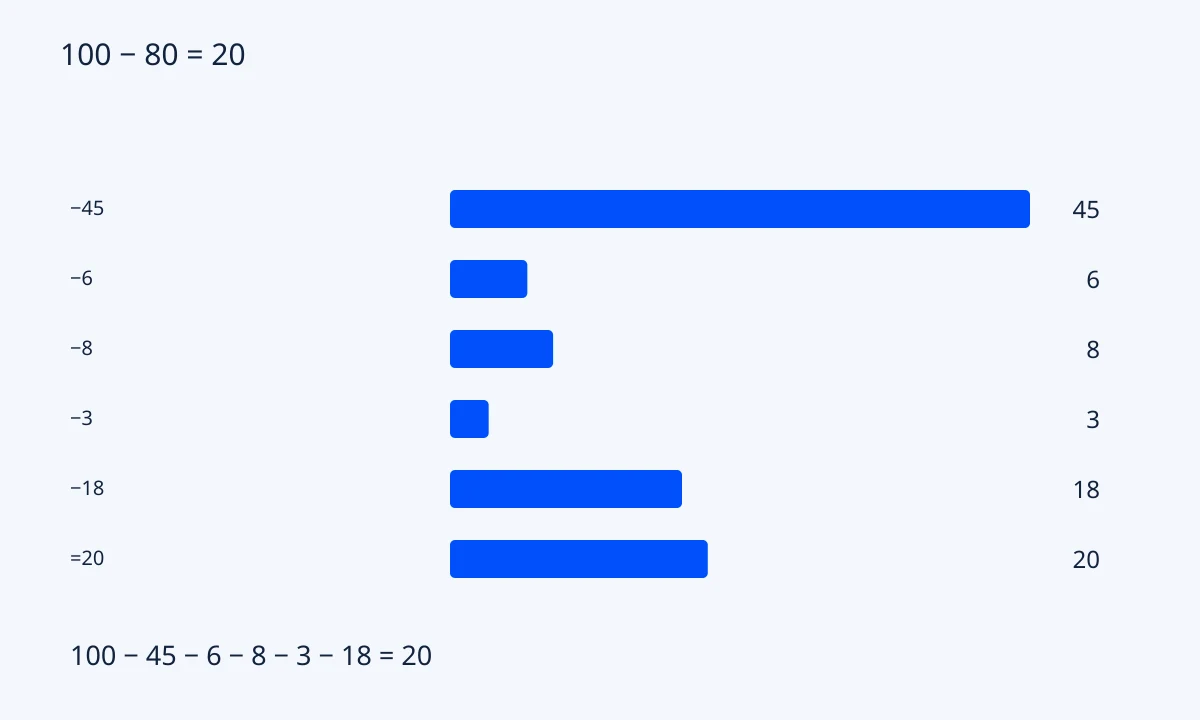
A 100 sale can leave only 20 before fixed costs. Follow the order-level calculation, find missing costs and decide which sales are worth growing.
Anichur Rahaman4 minutes ago4min

Work through a 55 minimum basket, then test low-margin products and heavy parcels. A profitable threshold depends on more than average order value.
Author
Anichur Rahaman
Part 3 of 5
Selling More, Keeping Less?Illustrative business and amounts, not customer results or market benchmarks. All amounts use one example currency; replace the assumptions with your own records.
Daniel considers free delivery above 50. His average order is 40, so the offer should encourage another item. But one customer adds a light accessory while another adds a bulky low-margin container. Both baskets cross the same threshold; their economics are different.
A free-shipping threshold is a minimum eligible basket value. The carrier still charges the seller. The threshold must be tested against product mix, package weight, destination, discounts and the contribution the business needs to retain.
In a fictional Bristol shop, a local light parcel and a bulky rural delivery cross the same spending threshold. The team tests them separately; a nationwide headline does not make the two carrier bills equal.
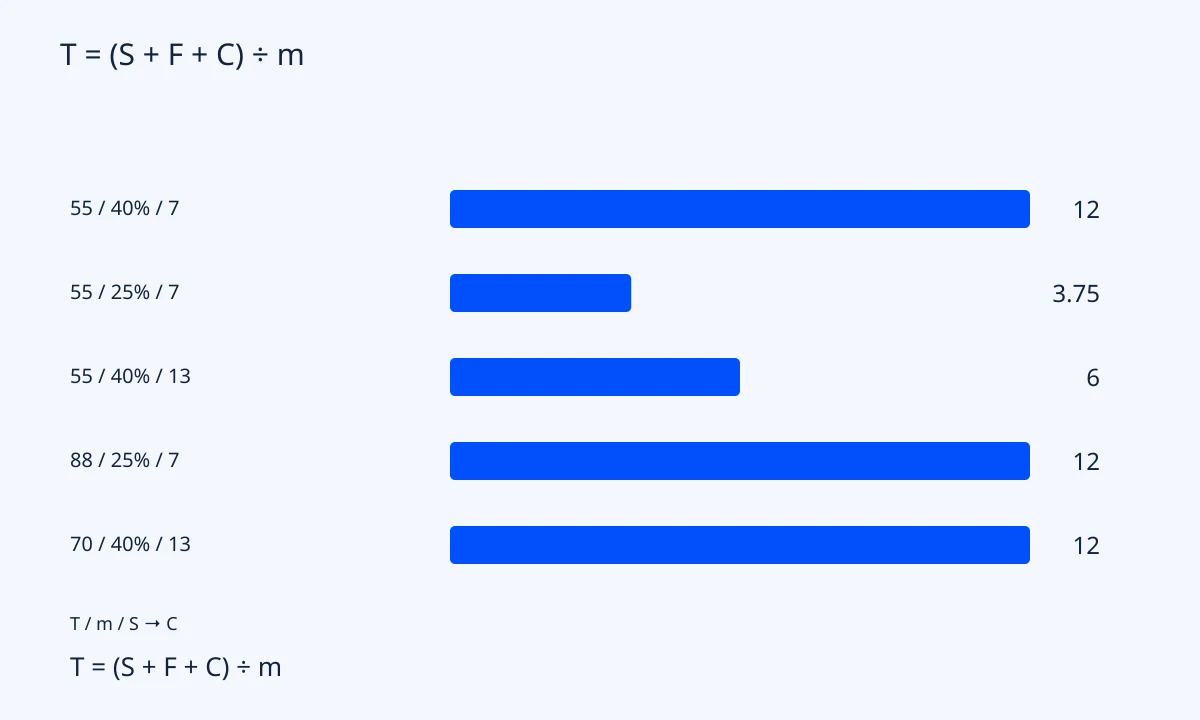
Let m be the contribution rate after product costs and all variable percentage charges but before outbound shipping and a separate fixed packing cost. Let S be seller-paid shipping, F the fixed packing cost and C the contribution required after those costs. A simplified starting threshold is T = (S + F + C) ÷ m.
With m = 40%, shipping 7, fixed packing 3 and a target contribution of 12, T = (7 + 3 + 12) ÷ 0.40 = 55. Do not use gross margin as m if it omits payment fees or other included costs. Do not deduct a packing cost again if it is already inside m.
| Minimum basket | Pre-shipping contribution rate | Seller-paid delivery | Packing and handling | Contribution after listed costs |
|---|---|---|---|---|
| 55 | 40% | 7 | 3 | 12 |
| 55 | 25% | 7 | 3 | 3.75 |
| 55 | 40% | 13 | 3 | 6 |
| 88 | 25% | 7 | 3 | 12 |
| 70 | 40% | 13 | 3 | 12 |

A 55 basket at 40% leaves 22 before shipping and fixed packing, then 12 after them. At a 25% rate, the same basket leaves only 3.75. With shipping of 13 and a 40% rate, it leaves 6. Neither reaches the chosen target of 12.
Under the same simplified assumptions, the low-margin basket needs 88 and the heavier parcel needs 70. These are model outputs, not universal recommended thresholds. Actual carrier bands can jump at particular weights, so calculate the real package rather than assuming shipping rises smoothly.
State whether eligibility uses the basket before or after discounts, which destinations and products qualify, and whether faster services cost extra. A customer should see the delivery charge before committing. Check partial returns under the store's published policy and applicable rules rather than silently inventing a new deduction.
Consider separate eligibility for unusually heavy goods instead of hiding the cost in ordinary orders. Test the entire journey: eligible basket, a coupon that lowers it below the boundary, excluded address, mixed basket and changed quantity. A progress message must use the same calculation as checkout.

The formula is a floor under stated economics, not an optimisation engine. Customers may abandon a higher threshold or add items they later return. Compare conversion, contribution per visitor, total contribution and delivery complaints. Average order value alone does not decide the winner.
Start with one suitable product group and destination range. Compare against the existing offer over a meaningful period, record seasonal changes and inspect the completed-order cohort after late costs arrive. Stop or narrow the offer if it fails the agreed contribution target.
StoreConsole's Delivery and Checkout settings need to reflect the actual eligibility and zone rules you support. Verify those settings and test prices before advertising free delivery. One threshold can simplify the message; it should never conceal a basket the business cannot afford to fulfil.
About the Author
Anichur Rahaman
Continue Reading