Ecommerce Contribution Margin: What Each Order Actually Leaves
A 100 sale can leave only 20 before fixed costs. Follow the order-level calculation, find missing costs and decide which sales are worth growing.
Anichur Rahaman1 hour ago4min

A 10% price cut can halve an order's contribution under stated costs. Calculate the extra sales required before choosing a promotion.
Author
Anichur Rahaman
Part 2 of 5
Selling More, Keeping Less?Illustrative business and amounts, not customer results or market benchmarks. All amounts use one example currency; replace the assumptions with your own records.
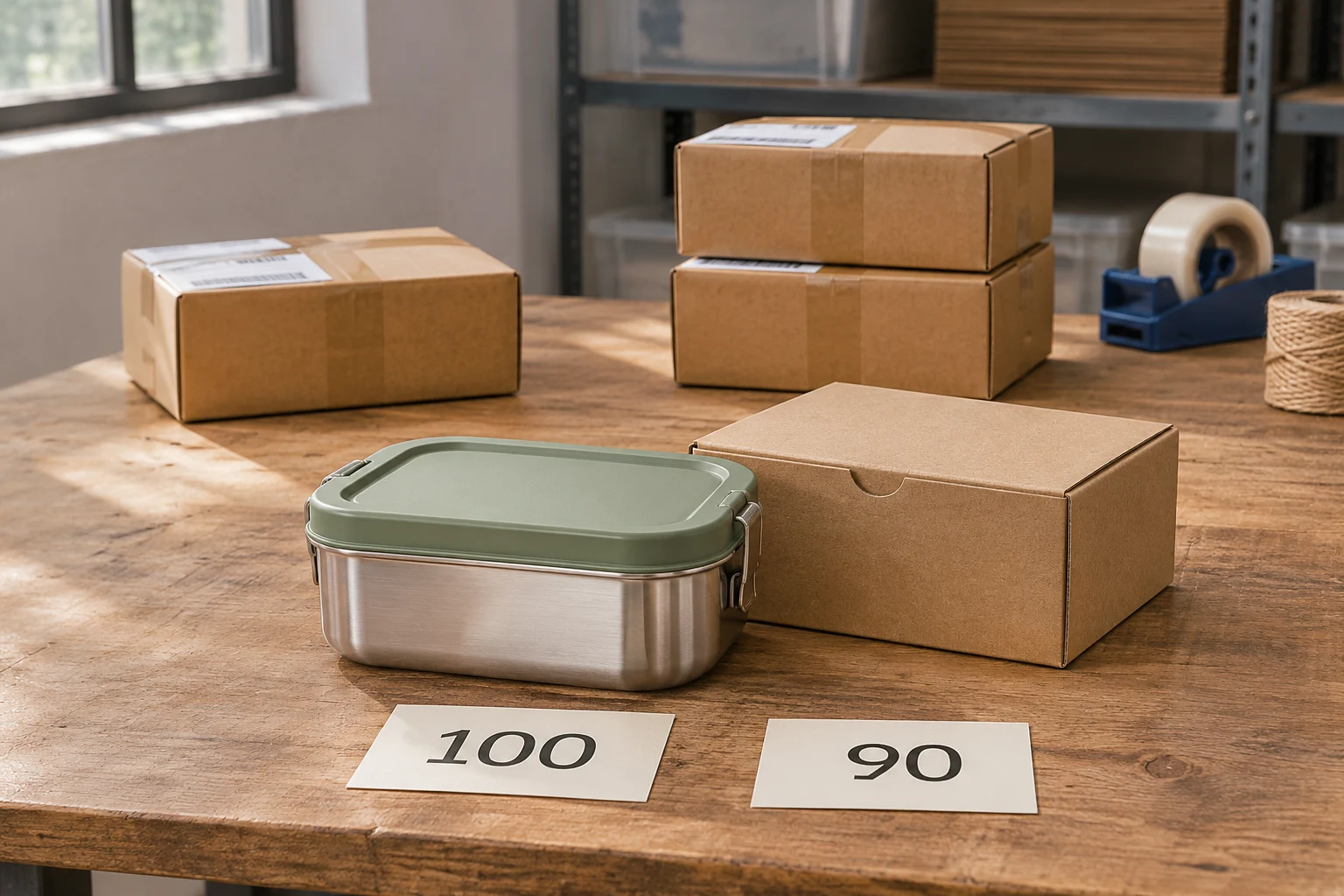
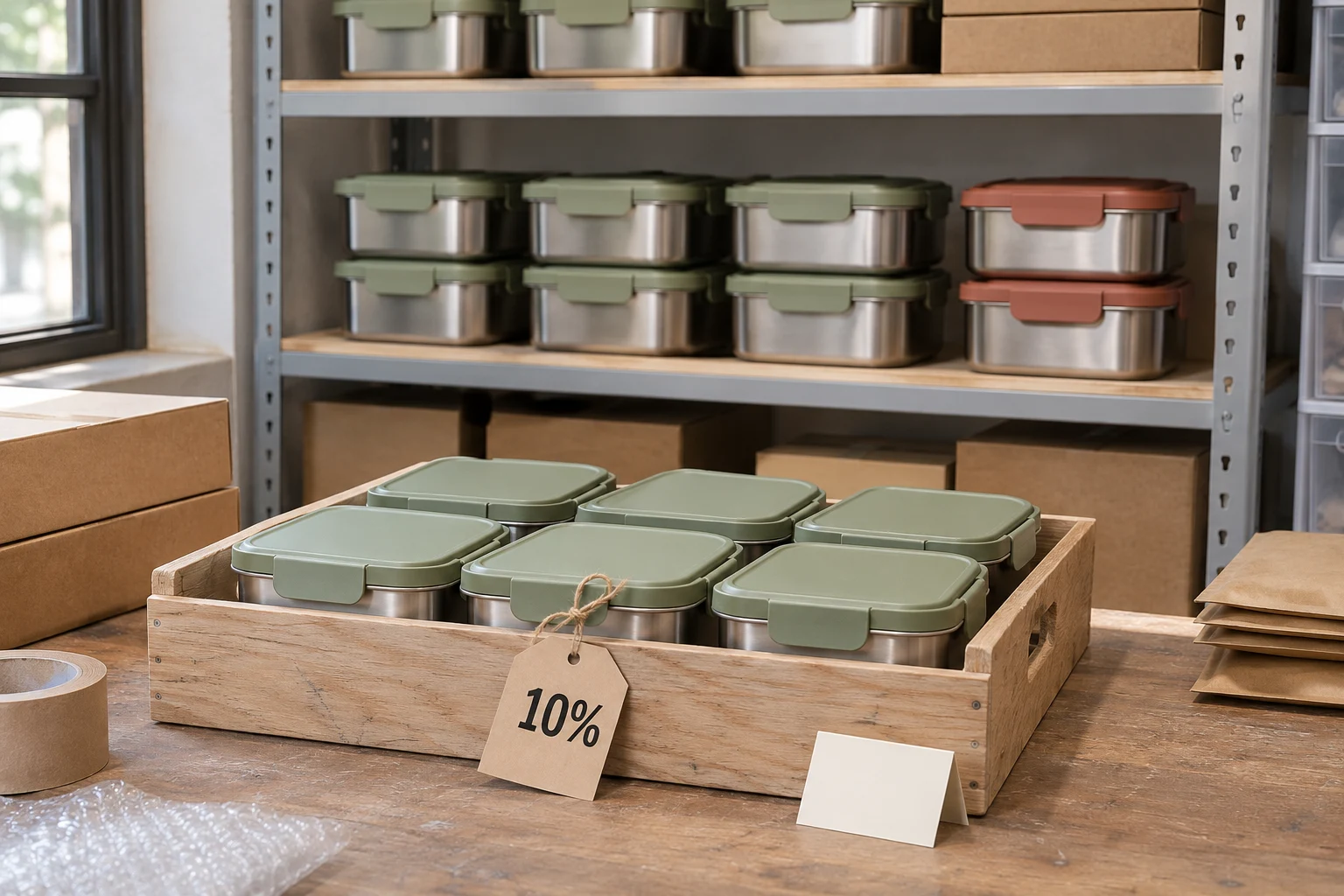
Daniel wants a weekend offer for his lunch-box shop. A competitor advertises 10% off, so matching it seems harmless. His current selling price is 100 and his variable cost per order is 80. That leaves 20 toward fixed costs. After the discount, the customer pays 90 and the same costs leave only 10.
The price fell 10%; contribution fell 50%. This is a conditional arithmetic example, not a rule for all products. Here, costs are assumed unchanged. Percentage payment fees, advertising efficiency, returns or a different basket can change the result.
At 1,000 full-price orders, total contribution is 20,000. To preserve that amount at 10 per discounted order, the shop needs 2,000 orders. The required uplift is 100%, before any extra fixed staffing or campaign setup cost.
The general comparison is: required new orders = baseline orders × baseline contribution per order ÷ new contribution per order. Required uplift is baseline contribution ÷ new contribution − 1. Round the order requirement up. If new contribution is zero or negative, selling more does not preserve a positive contribution target under that model.
| Selling price | Variable cost per order | Contribution after listed costs | Orders to preserve total contribution |
|---|---|---|---|
| 100 | 80 | 20 | 1,000 |
| 90 | 80 | 10 | 2,000 |
| 80 | 80 | 0 | — |
| 75 | 80 | -5 | — |
Choose one purpose: move a specific slow variant, encourage a genuinely additional second purchase or test demand in a new segment. Specify eligible products, dates, usage limits and whether other rewards can stack. Do not subsidise every existing buyer to solve one product's problem.
A bundle, a smaller targeted discount or a paid delivery option may produce a better outcome. Test the complete basket. A gift has a cost, and a bigger basket can move into a more expensive shipping band. A regular customer waiting for the next coupon is also part of the long-term decision.
Redemptions show use of an offer; they do not show how many orders would have happened without it. Where practical, compare similar eligible groups, including a group without the offer. Account for seasonality, channel changes and limited sample sizes. Without a credible comparison, describe the result as an observation rather than a causal uplift.
Wait for the relevant cancellations, returns and late carrier charges. Compare contribution per visitor and total contribution, alongside volume and customer complaints. A rise in average order value can still accompany a fall in the money left after costs.

Record the ordinary price, discounted basket, all applicable costs, target contribution, required order uplift, stock availability and stop date. Assign someone to pause the offer if costs or complaints exceed the agreed boundary. The calculation tells you what must happen; it does not predict that customers will make it happen.
StoreConsole's configured pricing and checkout rules can run an eligible offer. Accounting and operating records help assess what happened. Confirm the actual stacking and delivery behaviour in a test checkout before announcing the promotion, and use the current product documentation for supported settings.
Daniel's decision is no longer simply whether 10% sounds attractive. It is whether the additional demand can realistically cover the contribution given away—and whether there is a smaller, clearer offer that serves the same purpose.
About the Author
Anichur Rahaman
Continue Reading